
Save Meia Praia
A group of local residents is deeply concerned about a proposed development (Hotel & Apartments) planned for the area shown below in Meia Praia. https://salvarameiapraia.org/
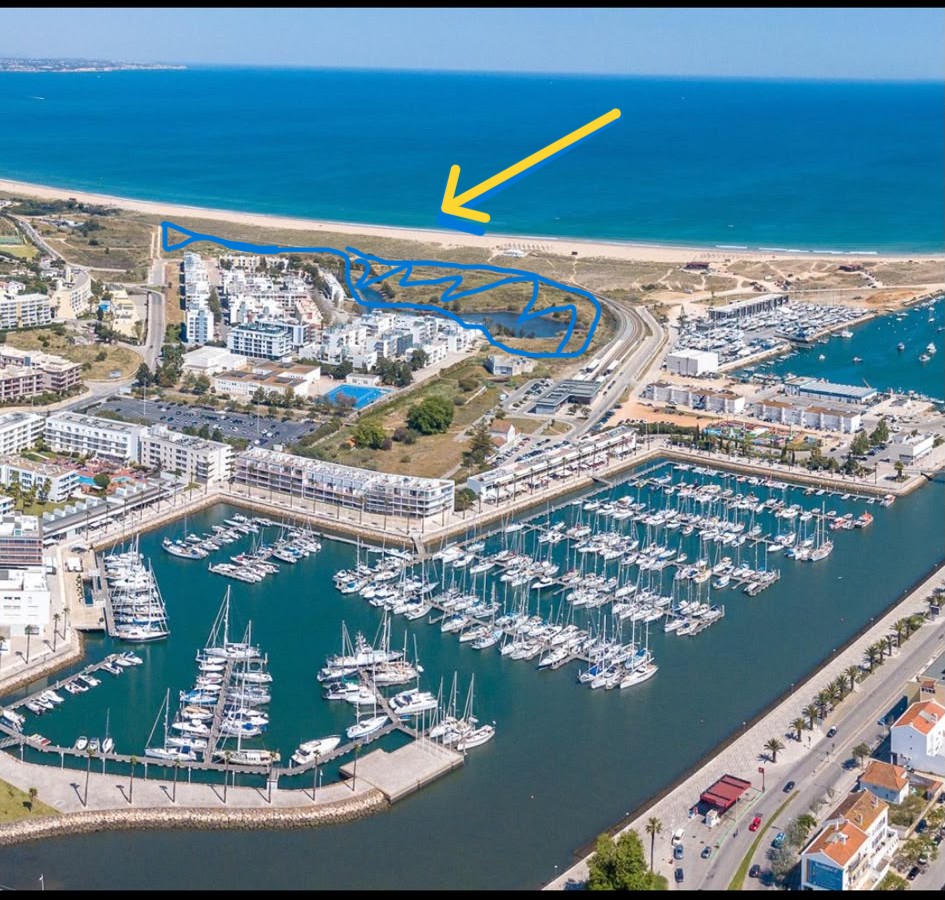
The Associação Miradouro da Luz supports this community initiative in its effort to protect and preserve the natural environment of Meia Praia. The association is cooperating in this effort and can receive donations dedicated specifically to the strategic legal and technical support of this cause.
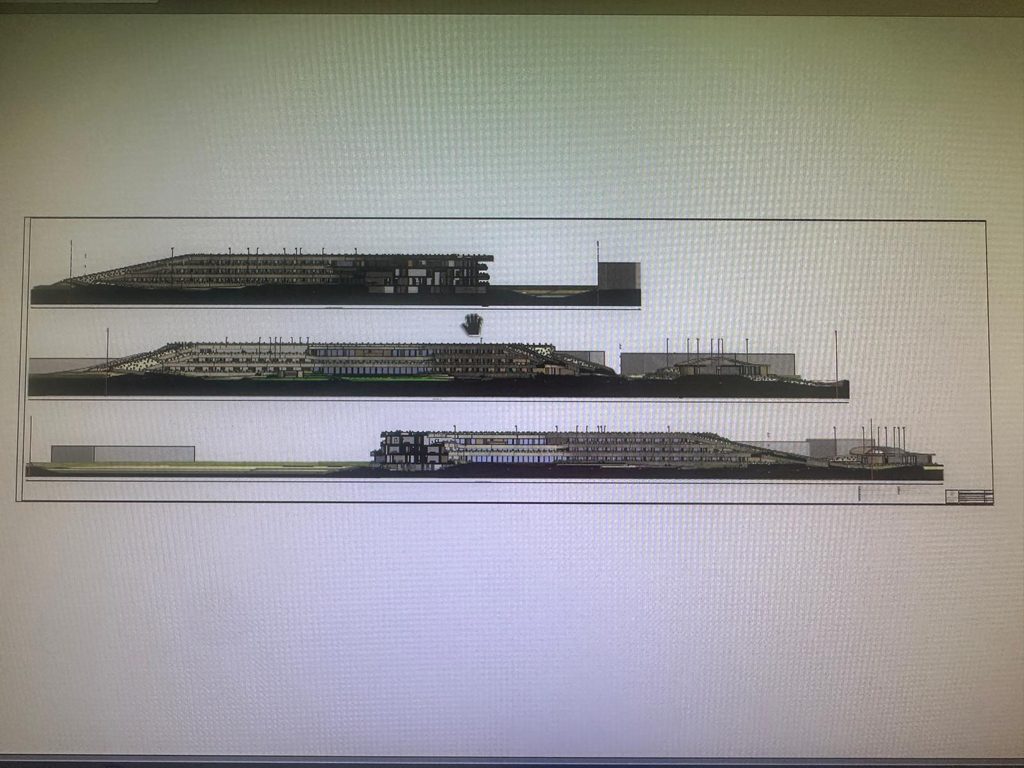
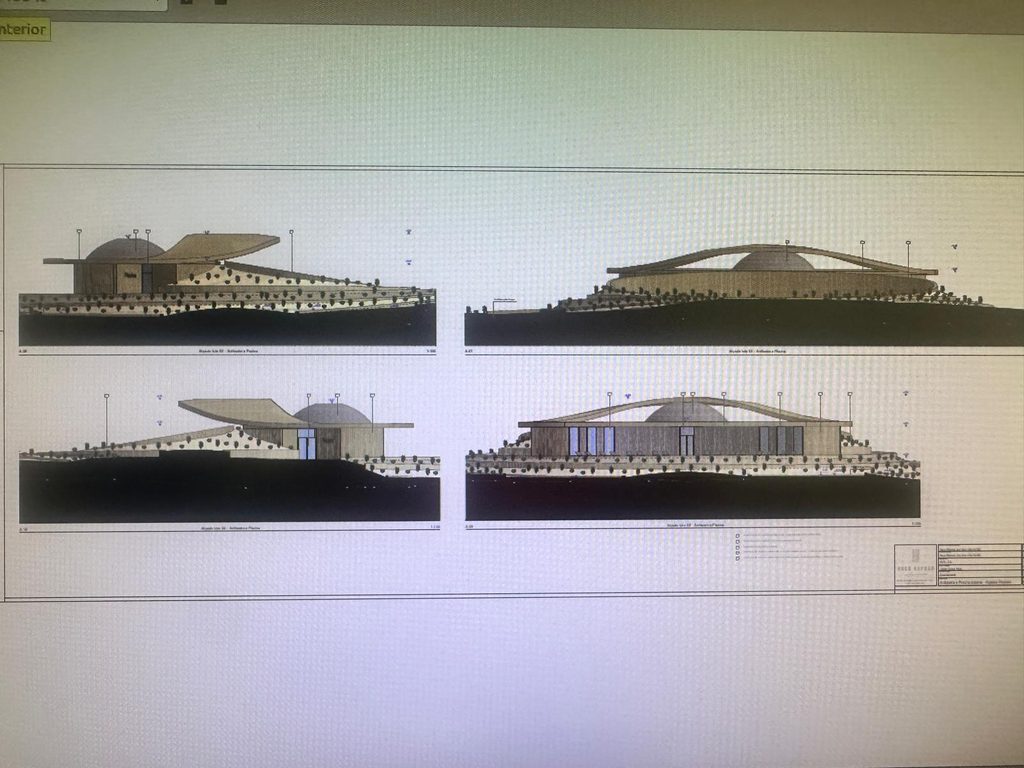
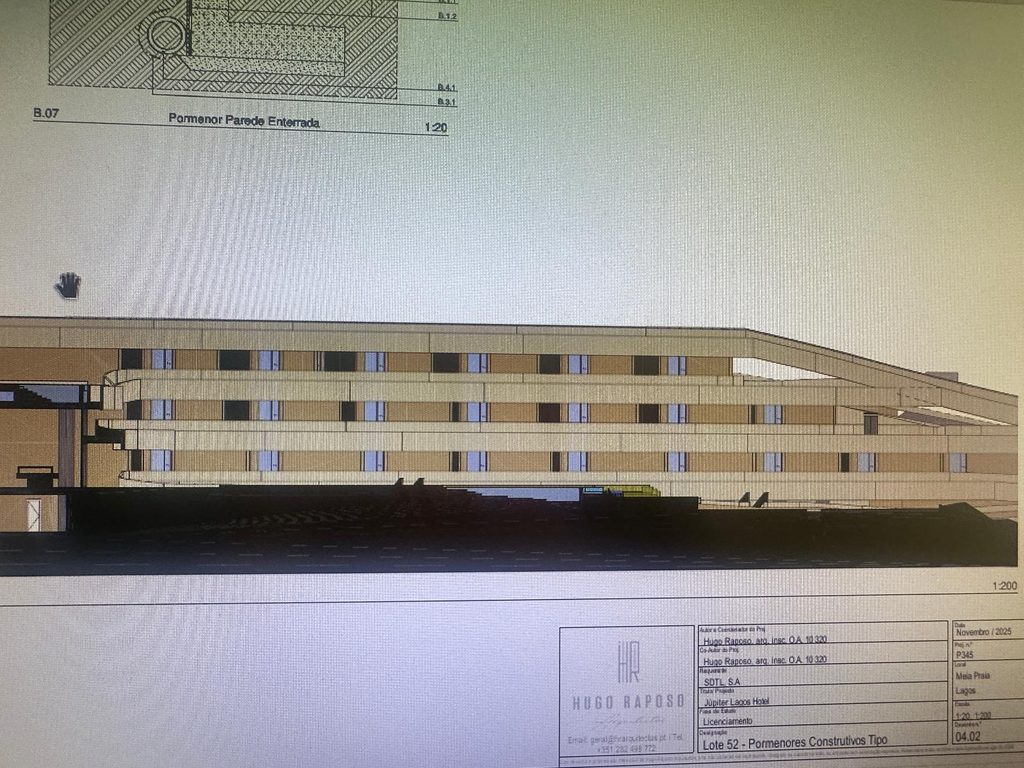
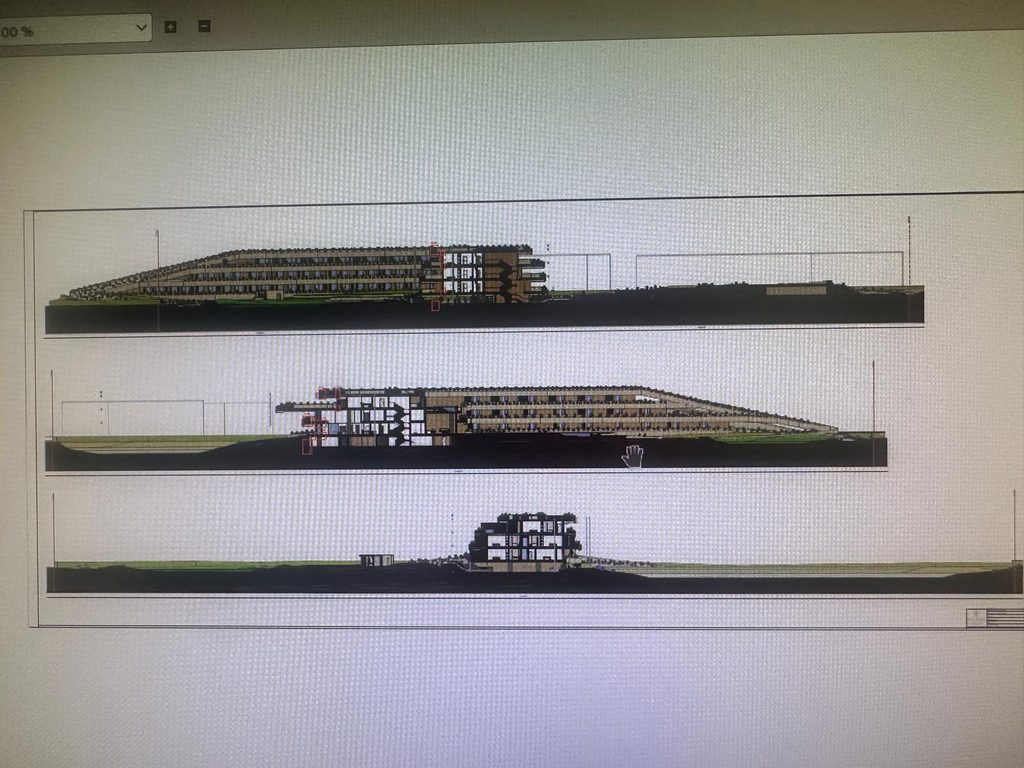
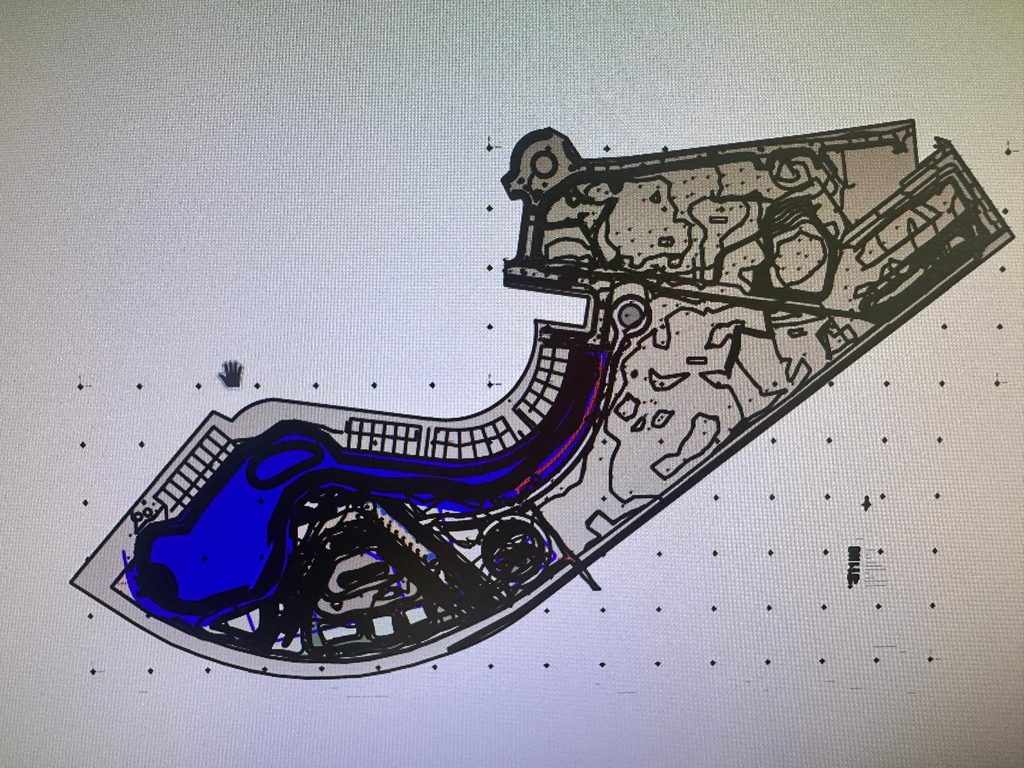
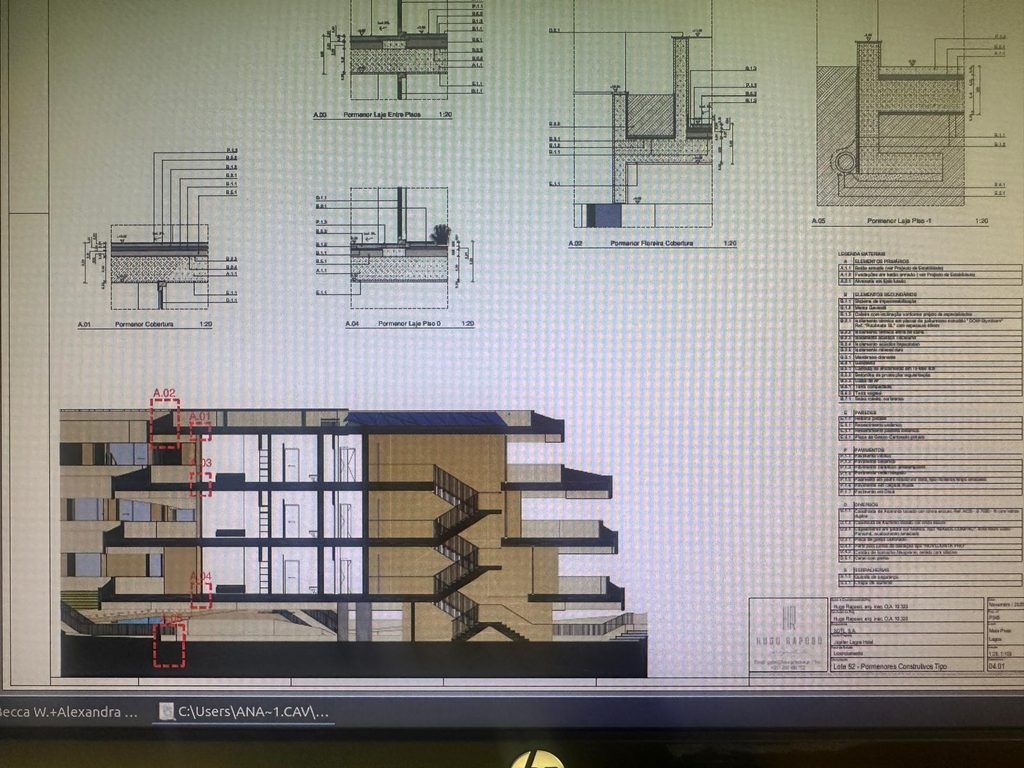
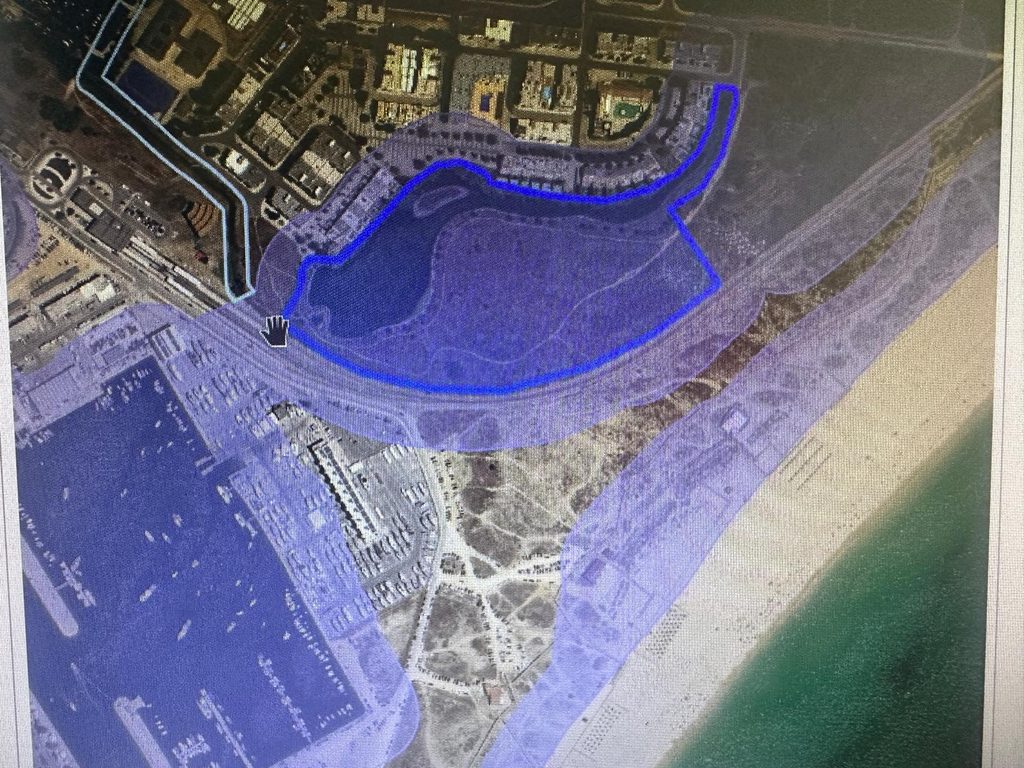
Dr Alexandra Soares’ (President Association Miradouro da Luz) intervention at the CML meeting of 19/08/2026
In November 2025, the hotel’s architectural project was approved, but conditioned on the granting of the licence for the rehabilitation of the lagoon, a procedure that is still ongoing (so much so that I am not allowed to consult it), and therefore has not yet been approved.
On 06 August 2026, a decision was issued authorising excavation down to the depth of the lowest-level floor, under a special authorisation pursuant to Article 81 of the RJUE. This approval was granted under the conditions set out in technical notes 35864/2026-DS and 43004/2026-DS, with the start of works scheduled for 01 September 2026. These two technical notes merely reproduce the request, the existence of an approved architectural project, and the bond to be provided, establishing a four-month deadline for the excavation. We found no technical grounds supporting the issuance of a construction-start authorisation.
Article 81 of the RJUE does indeed allow works to begin before the construction licence is issued, provided that the architectural project is approved, and the decision lies with the President. Due to the exceptional nature of this mechanism and because it requires a personal administrative decision from the President, such a decision must be duly substantiated under the legal duty of reasoning. Therefore, we raise the following questions:
- What technical or other reasons led you to authorise excavation before the construction licence? What was your assessment that justified a favourable decision?
- Can the President guarantee that the excavation does not interfere with the lagoon rehabilitation conditions that may be approved?
- Are these conditions already known? If so, what are they?
- Given the nature of the matter — the rehabilitation of a lagoon which, due to its natural value, should have been protected by the municipality from the outset — should there not now be a special duty of care, rather than an acceleration of procedures, and without allowing the public to know what the municipality intends to do regarding environmental restoration?
Lagos Municipal Chamber (CML) Meeting 19/08/2026
1. Summary of the Mayor’s statements
The Mayor states that:
- There are acquired rights from the 1988 development permit allowing construction in Meia Praia, despite a reduction made in 2008.
- He personally dislikes the planned construction but claims he cannot stop it, saying: “we live in a rule-of-law state and compensating land where something can be built costs many millions”.
- The lagoon basin is degraded, privately owned, and its rehabilitation will be the promoters’ responsibility.
- He argues that new hotels may improve the “quality of the tourist offer”.
- Excavation was authorized before the APA’s environmental opinion, relying on technical services.
- He acknowledges communication failures regarding approved works, justifying them through delegated powers.
2. Summary of the critical commentary
The Association Miradouro da Luz:
- Acknowledges the 2008 reduction in building rights but considers it insufficient to protect Meia Praia, a highly valuable natural area.
- Argues that the law allows sacrificing acquired rights with compensation and questions the Mayor’s stated indemnity values.
- Highlights future high costs for infrastructure, environmental risks, and current deficiencies (sewage, ETAR capacity, flooding).
- Criticizes the lack of technical, economic, and environmental studies supporting the hotel project.
- Rejects the implication that local accommodation brings “lower-quality tourism”.
- Considers it incoherent to authorize excavation before the APA’s decision, noting potential legal liability.
- Objects to the implicit threat toward neighbouring property owners regarding the lagoon protection perimeter.
- Condemns the Mayor’s use of delegated powers as arbitrary and undemocratic, suggesting some decisions may be legally void.
Interview of Alexandra Soares in Litoral Algarve on August 17, 2026: AI summary in English followed by link and PDF of the interview.
Summary
In this interview, lawyer Alexandra Soares discusses opposition to a planned hotel near the dunes of Meia Praia, in Lagos, and broader concerns about coastal development in the Algarve.
A public meeting held on 30 July, organised by the independent citizen group Saving Meia Praia, attracted more people than expected. Participants expressed anger at the continued construction along Portugal’s coast, particularly in the Algarve. They argued that large developments are damaging natural habitats, beaches and cliffs, accelerating coastal erosion, reducing public access to natural areas and failing to take climate change into account. Some residents fear that Meia Praia itself could gradually be taken away from the public.
Soares says Lagos was once relatively protected from excessive large-scale construction, but has become increasingly altered in recent years. She believes the municipality should preserve the area’s natural character and make better use of coastal land for the benefit of local residents, including through public, cultural and community facilities rather than major private developments.
Concerns about the hotel
The proposed hotel is reportedly planned to have three floors and a basement, close to the Dunas Douradas area. Soares says she is unaware of any environmental assessments concerning the occupation of the dunes and adjacent areas, including this project. In her view, the location is so important that it should have been subject to much stricter planning and scrutiny.
She also raises concerns about the impact of the development on beaches and basic sanitation infrastructure, which she says is already under pressure. She wants to establish whether the proposed requalification of a nearby lagoon forms part of the works already begun and whether the Portuguese Environment Agency has issued an opinion on it.
Alleged lack of transparency
Soares says access to the project documentation was initially refused when requested in February 2026. Access was granted only after repeated requests and a warning that the group might seek a court order. Even after a meeting with the municipal architect responsible for the process, she says it was difficult to examine the details and that photographs could not be taken.
She characterises the municipality’s handling of the project as lacking transparency. She believes that the fact that the process is still under consideration is being used as a justification for limiting public access to information, although she considers that argument unfounded.
Responsibility and possible action
Soares places primary responsibility on the Municipality of Lagos, arguing that successive local governments failed to use their planning powers to protect the city’s coastal areas. She also criticises the central government for delaying coastal-management instruments, including the Coastal Zone Management Programme.
At the same time, she acknowledges that developers and property owners are seeking to maximise their investments and may invoke existing development rights. However, she stresses that such rights are not absolute and may be restricted when there are strong public-interest, environmental and planning reasons.
She believes action may still be possible while the construction has not been completed. She questions how work could begin on a project of this scale before all specialist plans had been approved. A complaint to the Public Prosecutor’s Office could also lead to an investigation or administrative proceedings, although she notes that the institution faces limited staffing and other difficulties.
The campaign and Soares’s activism
The Saving Meia Praia movement is led mainly by an independent group of citizens working in cooperation with the Associação Miradouro da Luz, which Soares chairs. Although she declined to act as the movement’s lawyer, her professional knowledge of environmental and planning law is used to support the campaign. The association and the movement are advised by an independent legal team.
Soares says the movement is growing and has become increasingly organised. Its supporters intend to use every available legal and civic means to try to stop the development. She warns that the campaign will require persistence, unity and significant effort because it is confronting established economic interests.
Broader background
The Associação Miradouro da Luz was founded in 2008 to defend green and urban spaces in Lagos, particularly in Luz. One of its earlier campaigns opposed a proposed six- or seven-storey hotel on Cerrinho do Caracol. The organisation succeeded in having the site classified as a green area.
The association has since challenged other large-scale coastal developments, including through pending legal actions and public-awareness campaigns. Soares says activists receive considerable public support but also face threats, harassment, insults and hostility. She feels that public institutions often appear to side with property developers rather than treating environmental disputes impartially.
Despite these obstacles, she remains committed to activism, saying that the urban and natural environment is directly connected to quality of life and human dignity. She fears that Meia Praia could lose its natural beauty and become one of the city’s defining features to disappear under development.